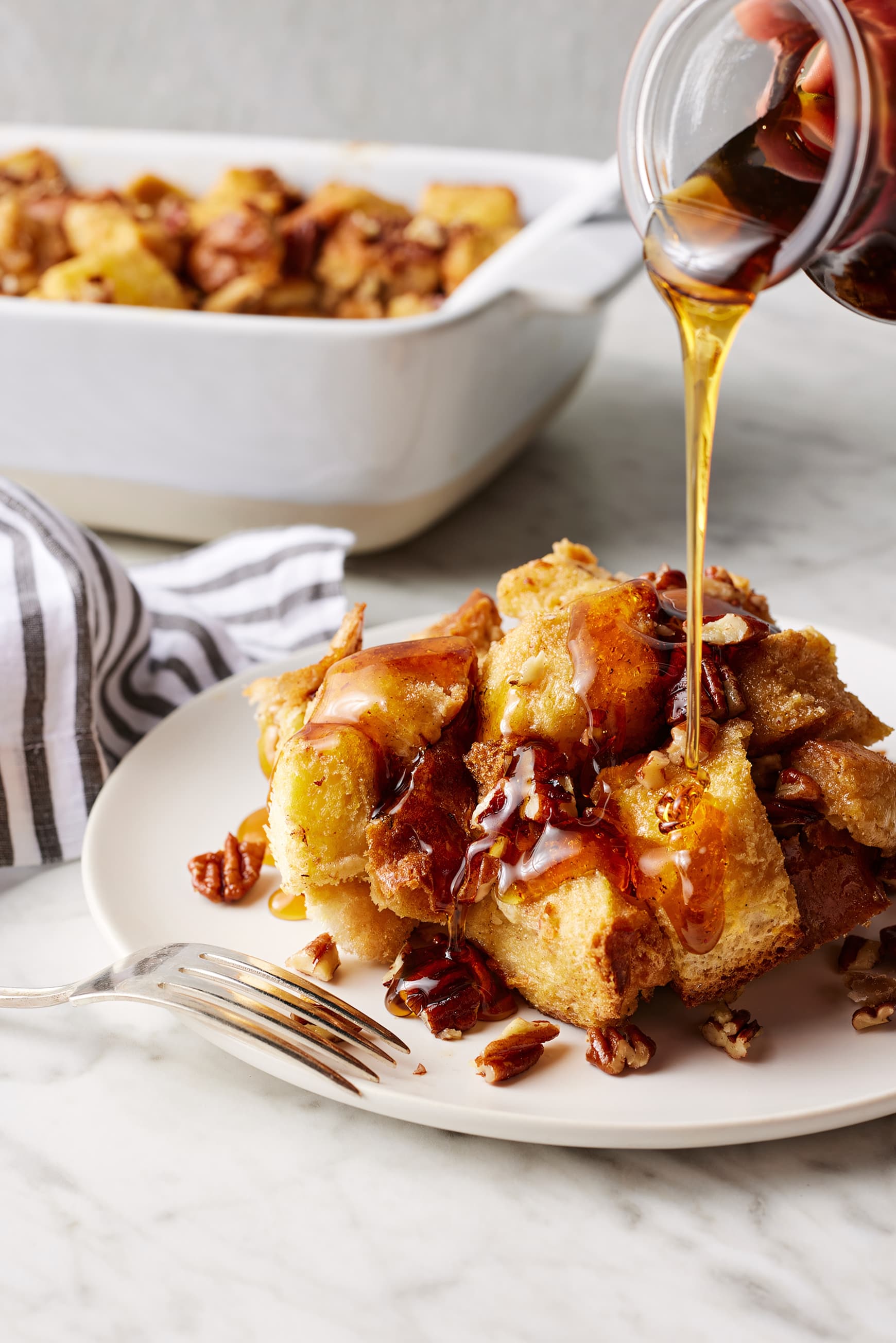
Effortless Entertaining: Prep French Toast Casserole the Night Before
Imagine waking up on a special morning – perhaps a bustling holiday, a relaxed weekend brunch with friends, or a cozy family breakfast – without the usual rush and stress of preparing a meal from scratch. Instead, a delicious aroma fills your home, promising a warm, comforting start to your day, all with minimal effort from you. This dream can be a reality, thanks to the magic of French toast casserole. This incredible dish is not just a breakfast staple; it's a true game-changer for hosts and busy families alike, offering the ultimate in convenience and a crowd-pleasing taste that rivals any restaurant. The secret? Preparing it the night before.The Magic of Make-Ahead: Why French Toast Casserole is a Host's Best Friend
In a world where time is a precious commodity, especially when entertaining, finding ways to streamline meal preparation is invaluable. The make-ahead French toast casserole perfectly embodies this philosophy. Whether you're hosting a lively holiday brunch, a casual get-together with friends, or simply want to treat your family to a special breakfast without the early morning chaos, this dish steps up as your culinary MVP. The primary appeal lies in its incredible convenience. Picture this: the evening before your event, while the kitchen is already abuzz with dinner preparations or winding down, you assemble your French toast casserole. This involves soaking slices of bread in a rich, flavorful egg mixture, layering them in a baking dish, and then tucking it away in the refrigerator. The next morning, instead of scrambling to whisk eggs, slice bread, and stand over a hot griddle, all you need to do is pop the prepared casserole into the oven. The oven does all the hard work, transforming simple ingredients into a golden, puffy, and irresistibly aromatic dish. This overnight preparation isn't just about saving time; it's about saving stress. Holidays, in particular, can be fraught with pressure to deliver memorable experiences, and hosting breakfast often adds to that load. By front-loading the effort, you free up precious morning hours for other tasks – enjoying a cup of coffee, setting the table, or simply relaxing and socializing with your guests. It allows you to be fully present, rather than constantly checking on cooking progress. Moreover, French toast casserole is a bona fide crowd-pleaser. Its comforting familiarity and delightful flavors appeal to almost everyone, from the pickiest eaters to the most discerning palates. It strikes a wonderful balance—it's neither overly sweet nor excessively heavy, making it a versatile option that can be customized with various toppings and accompaniments. This means less worrying about individual dietary preferences and more confidence in serving a dish everyone will adore.Crafting Your Perfect French Toast Casserole: Essential Ingredients and Technique
While the concept of a French toast casserole is straightforward, the key to its success lies in selecting the right ingredients and mastering a few fundamental techniques.Choosing Your Bread Base
The foundation of any great French toast casserole is the bread. While almost any bread can be used, certain varieties elevate the dish to new heights:- Brioche: This rich, buttery bread is often considered the gold standard. Its tender crumb and slightly sweet flavor create an incredibly luxurious casserole.
- Challah: Similar to brioche but often slightly less rich, challah offers a beautiful golden hue and a soft, eggy texture that soaks up the custard perfectly.
- Texas Toast: Thick slices of white bread provide a sturdy base that holds up well to soaking and baking, resulting in a classic, comforting texture.
- Stale or Day-Old Bread: This is a crucial tip! Day-old bread is slightly drier, which allows it to absorb the egg custard more effectively without becoming soggy. Fresh, soft bread can absorb too much liquid and disintegrate during baking. If your bread isn't stale, you can lightly toast it in a low oven for 10-15 minutes to dry it out.
The Custard: Your Flavor Canvas
The egg mixture, or custard, is what transforms the bread into an indulgent French toast experience. A typical custard includes:- Eggs: The binding agent that creates the signature fluffy texture.
- Milk or Cream: Provides richness and helps to thin out the eggs for even absorption. Whole milk, half-and-half, or even heavy cream will yield increasingly decadent results.
- Sweetener: Granulated sugar, brown sugar, or maple syrup are common choices. Brown sugar adds a lovely caramel note.
- Flavorings: This is where you can truly personalize your casserole. Vanilla extract is a must for warmth. Cinnamon and nutmeg are classic additions, but don't hesitate to experiment with cardamom, a pinch of allspice, or even a touch of orange or lemon zest for brightness.
Mastering the Overnight Prep: Your Morning Made Easy
The beauty of French toast casserole truly shines in its make-ahead potential. Here’s a typical blueprint for preparing it the night before:- Prepare Your Baking Dish: Lightly grease a large baking dish (typically 9x13 inches for a standard recipe) to prevent sticking. You can also line it with parchment paper for even easier cleanup, especially if you're adding a streusel topping.
- Arrange the Bread: Cut your chosen bread into thick slices or cubes, depending on your preference. Overlapping slices create a more traditional French toast feel, while cubes offer a delightful pudding-like consistency. Arrange them snugly in the prepared dish.
- Whisk the Custard: In a large bowl, whisk together eggs, milk (or cream), sugar, vanilla, and any spices until well combined and smooth.
- Pour and Soak: Evenly pour the egg custard over the bread, ensuring every piece is coated. Gently press down on the bread with the back of a spoon or spatula to help it absorb the liquid. Some recipes even suggest flipping the bread slices once after about 15-20 minutes to ensure thorough saturation.
- Cover and Refrigerate: Cover the baking dish tightly with plastic wrap or aluminum foil. This prevents the bread from drying out and keeps unwanted odors from permeating your casserole. Refrigerate overnight, or for a minimum of 4-6 hours. This extended soaking time allows the bread to fully absorb the flavors, leading to a more tender and flavorful final product.
- The Morning Bake: When you're ready to bake, preheat your oven to the recommended temperature (usually around 350-375°F or 175-190°C). Remove the casserole from the refrigerator and let it sit at room temperature for about 20-30 minutes while the oven preheats. This helps it bake more evenly. Bake, often covered for the first portion to prevent drying and then uncovered to allow for golden-brown perfection, until puffed up and golden.
Advanced Tips for a Flawless French Toast Casserole
To truly elevate your French toast casserole and tackle common pitfalls, consider these advanced tips:No More Soggy French Toast Casserole!
One of the most common complaints about French toast casserole is a soggy bottom. The good news is, it's entirely preventable! The main culprits are often too much egg mixture or using fresh, overly soft bread.As discussed, using day-old or lightly toasted bread is your first line of defense. The slightly drier texture prevents it from becoming waterlogged. Additionally, be mindful of your egg-to-liquid ratio. A recipe that's "on the drier side" for its custard mixture is often a deliberate choice to prevent sogginess. If your bread seems to be swimming in liquid, you might have too much. Consider reducing the milk slightly or adding another slice or two of bread. No More Soggy French Toast Casserole: Pro Tips for Perfect Results offers an even deeper dive into achieving that perfect, non-soggy texture every time.
Can You Freeze French Toast Casserole? Absolutely!
This is another fantastic feature of this versatile dish, perfect for future busy mornings or unexpected guests.- Bake First: Bake the casserole completely as instructed, allowing it to cool entirely at room temperature. This is crucial; never freeze a hot casserole.
- Wrap Tightly: Once cool, wrap the casserole (either the whole dish or individual portions) tightly with at least two layers of plastic wrap, followed by a layer of aluminum foil. This prevents freezer burn and maintains freshness.
- Freeze: Freeze for up to 2 months.
- Thaw and Reheat: When ready to enjoy, thaw the frozen casserole overnight in the refrigerator. Reheat in a preheated 350°F (175°C) oven, covered with foil, until heated through, typically around 20-30 minutes for individual portions or 30-45 minutes for a full casserole. You can uncover for the last few minutes to crisp up the top.
Flavor Variations and Toppings
Don't be afraid to experiment beyond the classic cinnamon and vanilla:- Fruity Additions: Layer fresh berries (blueberries, raspberries), sliced peaches, or apples between the bread layers. A sprinkle of brown sugar and a dash of lemon juice over fruit layers can enhance flavor.
- Nutty Crunch: Add chopped pecans or walnuts to the custard or sprinkle them over the top before baking for a delightful crunch.
- Streusel Topping: For an extra special touch, whip up a simple streusel (butter, flour, brown sugar, cinnamon) and sprinkle it over the casserole before baking.
- Sweet Glaze: A simple drizzle of confectioners' sugar glaze (powdered sugar, milk, vanilla) after baking adds sweetness and visual appeal.
Serving Suggestions: Elevate Your Brunch Experience
Once your golden, aromatic French toast casserole emerges from the oven, the fun continues with serving.Classic Toppings:
- Maple Syrup: A timeless choice. Pure maple syrup is always recommended for its rich, authentic flavor.
- Confectioners' Sugar: A dusting of powdered sugar adds an elegant touch and a subtle sweetness.
- Fresh Berries: A colorful medley of fresh strawberries, blueberries, raspberries, or sliced bananas brightens the dish and adds a burst of freshness.
- Whipped Cream or Ice Cream: For an extra indulgent treat, a dollop of freshly whipped cream or a scoop of vanilla ice cream makes this breakfast feel like dessert.
- Fruit Compote: A warm berry or apple compote can add a sophisticated touch and an extra layer of flavor.
Pairings for a Complete Brunch:
While the casserole is undoubtedly the star, consider these accompaniments to create a well-rounded brunch spread:- Savory Proteins: Crispy bacon, sausage links, or ham provide a salty contrast to the sweet casserole.
- Fresh Fruit Salad: A simple fruit salad offers a light, refreshing element.
- Coffee and Juices: A good pot of coffee, fresh orange juice, or even mimosas can complete the brunch experience.
