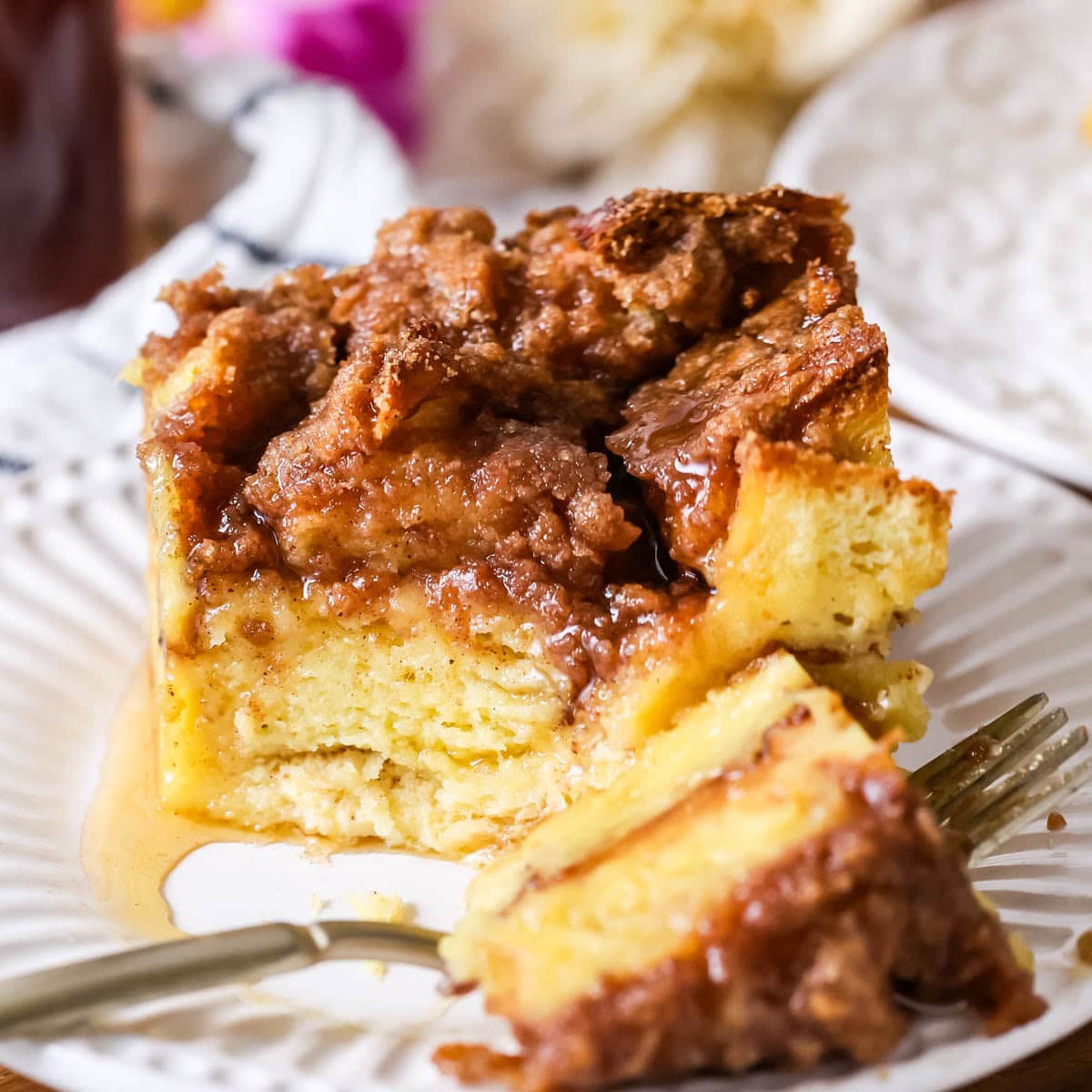
No More Soggy French Toast Casserole: Pro Tips for Perfect Results
There are few culinary delights that capture the essence of a cozy weekend morning quite like a perfectly baked french toast casserole. Imagine waking up to the aroma of cinnamon and sweet bread, knowing that a decadent, yet effortlessly prepared, breakfast awaits. This dish is a true brunch hero, offering a delightful combination of textures – a golden, slightly crisp exterior giving way to a custardy, tender interior. However, many home cooks have faced the dreaded "soggy center" dilemma, turning what should be a comforting treat into a less-than-appetizing disappointment. But fear not! Achieving that ideal balance of fluffy and custardy, without a hint of sogginess, is entirely within reach. With a few expert tips and a clear understanding of the science behind this beloved dish, you can master the art of the perfect french toast casserole every single time.The Ultimate Brunch Hero: Why We Love French Toast Casserole
The enduring popularity of french toast casserole isn't just about its delicious taste; it's also about its incredible convenience and versatility. For families, it transforms frantic morning routines into relaxed gatherings. For hosts, particularly during busy holiday seasons, it’s a genuine lifesaver, allowing you to serve a crowd-pleasing, impressive breakfast without adding to the pre-dawn stress. The beauty of this dish lies in its make-ahead potential. Imagine prepping everything the night before, letting the flavors meld and the bread soak up all that delicious custardy goodness, then simply sliding it into the oven in the morning. This convenience is precisely why it's become a staple for special occasions and a go-to for delicious French toast casserole: the perfect easy family brunch. It’s neither overly sweet nor excessively heavy, making it a universally appealing choice that can be customized with various toppings and additions. Whether it's a quiet family breakfast or a bustling holiday brunch, a well-made french toast casserole ensures everyone starts their day with a smile. For more detailed insights on maximizing its make-ahead benefits, check out our guide on Effortless Entertaining: Prep French Toast Casserole the Night Before.Conquering the Curse of Soggy French Toast Casserole
The single most common complaint when it comes to french toast casserole is undoubtedly sogginess. That unappetizing, overly wet interior can ruin an otherwise perfect dish. The good news is that preventing this culinary misstep is largely about understanding two critical components: your bread choice and your egg-milk ratio.The Bread Breakdown: Choosing Your Canvas
The foundation of any great french toast casserole is the bread, and not just any bread will do. The secret weapon against sogginess is day-old, slightly stale bread. Here's why:- Structure: Fresh bread, with its high moisture content, quickly turns to mush when saturated with liquid. Stale bread, on the other hand, has a firmer, drier structure that allows it to absorb the custard without disintegrating. It holds its shape better, contributing to that desirable custardy interior without becoming dense and wet.
- Absorption Capacity: The drying process in stale bread creates more pockets and a better matrix for absorbing the egg mixture evenly. This results in a more consistent texture throughout the casserole.
- Brioche: Rich, buttery, and slightly sweet, brioche is a top contender for its luxurious texture and flavor.
- Challah: Similar to brioche but often less buttery, challah has a wonderful, airy crumb that soaks up custard beautifully.
- French Bread or Baguette: These provide a chewier texture and a slight crispness, especially if the crust is left on.
- Sourdough: For a tangier profile, sourdough can add a fantastic depth of flavor that contrasts well with sweet toppings.
Pro Tip: If you only have fresh bread, you can quickly stale it. Cut the bread into 1-inch cubes and spread them on a baking sheet. Bake at 300°F (150°C) for 10-15 minutes, or until just dry and slightly firm to the touch. Let them cool completely before using.
The Egg-Milk Ratio: A Delicate Balance
The second major culprit behind a soggy french toast casserole is an imbalanced egg mixture – specifically, too much liquid relative to the bread. The goal is to create a rich custard that coats and permeates the bread, not drowns it.- The Golden Ratio: While recipes vary, a good starting point is often around 6-8 large eggs per 1.5-2 cups of milk (or cream). This ratio provides enough structure from the eggs to set the custard, preventing it from remaining liquidy.
- Consider the Bread Quantity: Always consider the volume of your bread. A denser bread or a larger quantity will naturally require more liquid, but still be mindful not to overdo it. The bread cubes should be thoroughly moistened, but not swimming in liquid.
- Thickening Agents: Some recipes incorporate a small amount of cornstarch or flour into the egg mixture to slightly thicken it, further helping the custard set firmly.
- Flavor Infusion: Don't forget your flavorings! Vanilla extract, cinnamon, nutmeg, and a pinch of salt are essential. Consider adding a splash of orange zest or a hint of cardamom for an extra layer of complexity.
Pro Tip: Whisk your eggs and milk thoroughly until no streaks of egg white remain. This ensures an even custard texture. For an even richer casserole, swap some of the milk for heavy cream or half-and-half.
Soaking Smart: Time and Technique
Proper soaking is key to allowing the bread to absorb the custard fully without becoming mushy.- Overnight is Optimal: For the best results, assemble your french toast casserole the night before and refrigerate it. This extended soak allows the bread to thoroughly absorb the liquid, ensuring a custardy texture from edge to center. It also gives the flavors time to meld and deepen.
- Even Distribution: When pouring the egg mixture over the bread, do so slowly and evenly. Gently press down on the bread cubes with a spatula or your hands to ensure they are all submerged and soaking up the liquid. Don't press too hard, or you risk compressing the bread too much.
- Don't Over-Soak: While overnight is great, don't leave it for multiple days. Excessive soaking can still lead to bread disintegration, especially if your egg-to-milk ratio is too high. 8-12 hours is usually the sweet spot.
Beyond the Basics: Elevating Your French Toast Casserole
Flavor Boosters and Variations
The beauty of a french toast casserole lies in its adaptability.- Spices and Extracts: Beyond cinnamon and vanilla, consider nutmeg, allspice, or a touch of ground cloves. Almond extract can provide a sophisticated twist.
- Citrus Zest: A tablespoon of orange or lemon zest brightens the entire dish and adds a lovely aromatic quality.
- Fruity Add-ins: Fresh berries (blueberries, raspberries, sliced strawberries) are classic, but consider dried cranberries, chopped dried apricots, or even thinly sliced apples or peaches for different seasons.
- Nutty Crunch: Toasted pecans, walnuts, or sliced almonds add a textural contrast and a rich, nutty flavor.
- Chocolatey Indulgence: Chocolate chips (milk, dark, or white) melt into gooey pockets of deliciousness.
- Cream Cheese Swirl: For an extra layer of decadence, dollop softened cream cheese (mixed with a little sugar and vanilla) over the top before baking.
- Streusel Topping: A buttery streusel made from flour, brown sugar, cold butter, and cinnamon, crumbled over the top, bakes into a wonderfully crisp and sweet crust.
The Perfect Bake: Temperature and Timing
Baking your casserole correctly is the final step to ensuring that perfect texture.- Preheat Thoroughly: Always start with a fully preheated oven (usually 350-375°F or 175-190°C). This ensures even cooking from the start.
- Cover, Then Uncover: Many recipes suggest baking the casserole covered for the first part of the cooking time (e.g., 20-30 minutes). This helps the interior cook through without drying out the top. Then, uncover it for the remaining time to allow the top to become beautifully golden brown and slightly crisp.
- Doneness Cues: Your casserole is done when the top is golden brown and the custard is set. A knife inserted into the center should come out clean, or with just a few moist crumbs. The casserole should not jiggle excessively in the middle.
- Resting Time: Just like a roast, a casserole benefits from a short resting period after coming out of the oven. 5-10 minutes allows the custard to fully set and makes for easier serving.
Serving Suggestions that Shine
While delightful on its own, a few simple additions can turn your french toast casserole into a truly unforgettable meal.- Warm Maple Syrup: This is non-negotiable for many! Gently warming the syrup enhances its aroma and ensures it drizzles perfectly.
- Fresh Berries: A colorful medley of fresh strawberries, blueberries, and raspberries adds brightness, a touch of tartness, and a burst of freshness.
- Confectioners' Sugar: A dusting of powdered sugar (also known as confectioners' sugar) adds an elegant finish and a subtle sweetness.
- Whipped Cream or Crème Fraîche: For a decadent touch, a dollop of freshly whipped cream or tangy crème fraîche is divine.
- Savory Sides: Pair your sweet casserole with crispy bacon, sausage links, or a perfectly fried egg for a balanced brunch spread.
Make-Ahead Mastery and Freezing French Toast Casserole
The make-ahead nature of french toast casserole is one of its greatest appeals. Prepping it the night before truly liberates your morning. Simply assemble the casserole in your baking dish, cover it tightly with plastic wrap or foil, and refrigerate overnight. In the morning, take it out of the fridge about 30 minutes before baking to allow it to come closer to room temperature, then pop it in the oven. For those planning even further ahead, or wanting to enjoy this dish throughout the month, french toast casserole freezes beautifully.- Bake First: Always bake the casserole completely as per the recipe instructions. This ensures the custard is set and stable for freezing.
- Cool Completely: This is a crucial step. Ensure the casserole is entirely cooled to room temperature before freezing. Warm food can lead to ice crystals and freezer burn.
- Wrap Tightly: Once cool, wrap the entire casserole (still in its baking dish, if oven-safe for reheating, or portioned into individual servings) tightly with several layers of plastic wrap, followed by a layer of heavy-duty aluminum foil. This protects it from freezer burn.
- Label and Freeze: Label with the date and contents. It can be frozen for up to 2 months.
- Thawing and Reheating: When ready to enjoy, thaw the frozen casserole overnight in the refrigerator. Once thawed, reheat it in a 350°F (175°C) oven, covered with foil, for about 20-30 minutes, or until heated through and bubbling around the edges. If reheating individual portions, adjust the time accordingly.
